

On June 18, 2023, the Titan submersible imploded on its way to visit the Titanic, killing all five people aboard. Three years later, Canadian investigators delivered their verdict.
The hull was flawed, the oversight was missing and the report kept returning to one word for what went wrong inside the company: groupthink.
We blame crises on reckless CEOs or negligent boards. But the quiet pattern behind the scenes is often the same – someone tried to start a conversation, but they’re quickly shut down.
I see this in my work with leadership teams. Someone sounds a warning, but no-one acts on it. Here are five crises and the conversations that could have prevented them.
The warning always comes early
Long before two 737 MAX jets went down and killed 346 people, Boeing saw it coming. A few engineers flagged the MCAS flight-control system. They also warned about insufficient pilot training. In internal messages, one employee wrote that the plane was “designed by clowns, who in turn are supervised by monkeys”.

Reward the people who speak up, and others will follow.
This wasn’t hindsight. The warnings were specific, documented and ignored. Boeing didn’t lack insight. The information existed long before investigators found it. The problem was that those conversations never reached the right people, people who cared and who had the power to make changes.
An early warning is only valuable if it leads to a change in direction. Leaders need to create explicit escalation rules for safety, ethics and strategic risk. Every type of concern should have a clear owner and documented response, including when leadership decides not to act.
Handle it well, and you’ll catch problems while you still can fix them. If you skip the hard part, the warning becomes conversational debt, a cost that compounds.
Dissent gets labeled as disloyalty
In August 2001, an Enron vice president named Sherron Watkins sent a memo to CEO Ken Lay: “I am incredibly nervous that we will implode in a wave of accounting scandals,” she wrote.
She laid out the specific accounting tricks holding the company up. Within months, Enron was bankrupt.
Watkins wasn’t thanked for the warning. Instead, she was treated as the threat. Within days, Enron sought legal advice to fire her. Executives wanted to seize her computer. And they moved her off the executive floor. The only reason the retaliation never fully played out is that Enron collapsed first.
That’s the problem with leaders who can’t tolerate dissent: they see the person who speaks up as a threat. Everyone else learns that loyalty means silence.
Every organization has a Sherron Watkins. Who is the messenger willing to bring you bad news or voice an unpopular view? The sooner you hear, the sooner you can act. Reward the people who speak up, and others will follow. You don’t always have to agree. You do have to make it clear that dissent is not a firing offense.
The critics you dismiss become your competition
OpenAI was founded on a principle: that powerful AI had to be built carefully, with safety ahead of speed. By 2021, a group of its most senior people felt leadership was scaling the company without responsibility. The critics, led by siblings Dario and Daniela Amodei, believed trust in both the system and the people building it was critical for the company’s success.
Their concerns went nowhere. So they left and built Anthropic, a company founded on the principle that corporate values should be explicit, debatable and open to revision. Now Anthropic is worth roughly US$965 billion, eclipsing OpenAI.
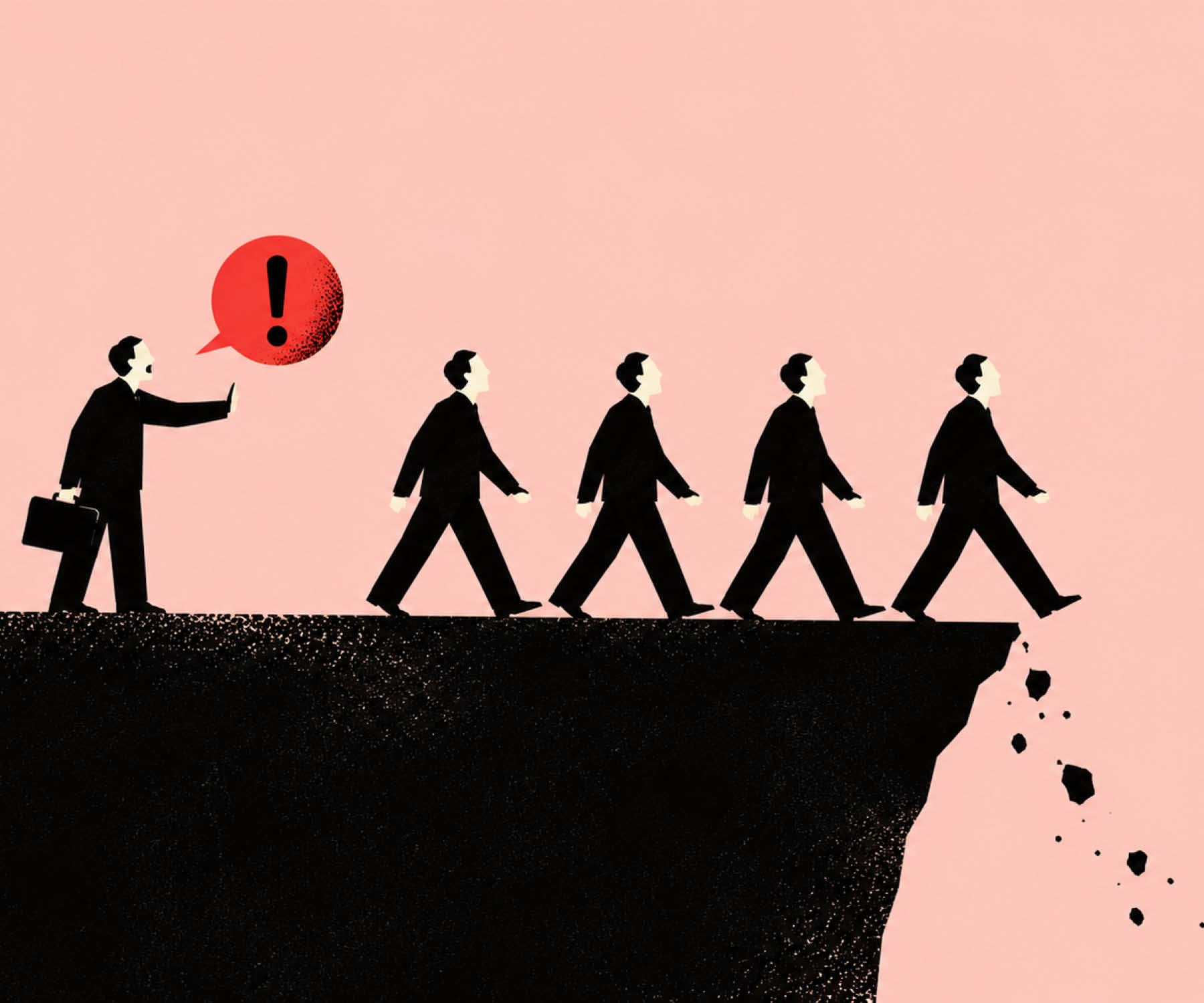
When leaders ignore dissenting voices, people stop challenging the status quo, even when lives are at risk.
When your best people leave, you lose more than talent. You lose your business edge. Judge ideas on their merits, not on who raised them. The idea you dismiss today is the one that beats you tomorrow.
The people who leave are a warning sign
Back to OceanGate. David Lochridge, the director of marine operations, inspected the Titan in 2018. He reported that the hull had never been properly tested for flaws. He was immediately fired and sued to keep him silent. A second employee raised similar concerns. He watched the CEO grow defensive and dodge questions, then resigned.
Two key employees left over the same unresolved concern. Not a coincidence. Not ordinary turnover. The clearest signal the company ever got, and everyone looked away. Even worse, groupthink took over. When leaders ignore dissenting voices, people stop challenging the status quo, even when lives are at risk.
Exit interviews rarely work. Research for my book, Forward Talk, shows that 65 percent of people stop speaking up when they think nothing will change. By the time someone resigns, they’ve stopped talking long ago. If you want to know what’s broken, don’t wait until people leave.
Instead, run ‘stay’ interviews. Ask the people you can’t afford to lose what would make them leave, and what they’re not telling you. Then decide if you’re willing to fix what they bring up.
The conversation you avoid will happen elsewhere
Wells Fargo employees were pressured to open millions of fake accounts to hit aggressive sales targets. Many of them tried to report it. Some called the company’s ethics hotline. Instead of addressing the issue, the bank fired almost 5,300 employees. Many were blacklisted. Wells Fargo labeled whistleblowers as ‘untrustworthy’, preventing them from finding new banking jobs.
The issue didn’t go away. It exploded outside. A US$185 million fine, weeks of Senate hearings and a CEO forced out. Trust still hasn’t fully recovered. Every conversation Wells Fargo refused to have internally happened anyway, in public, on the worst possible terms.
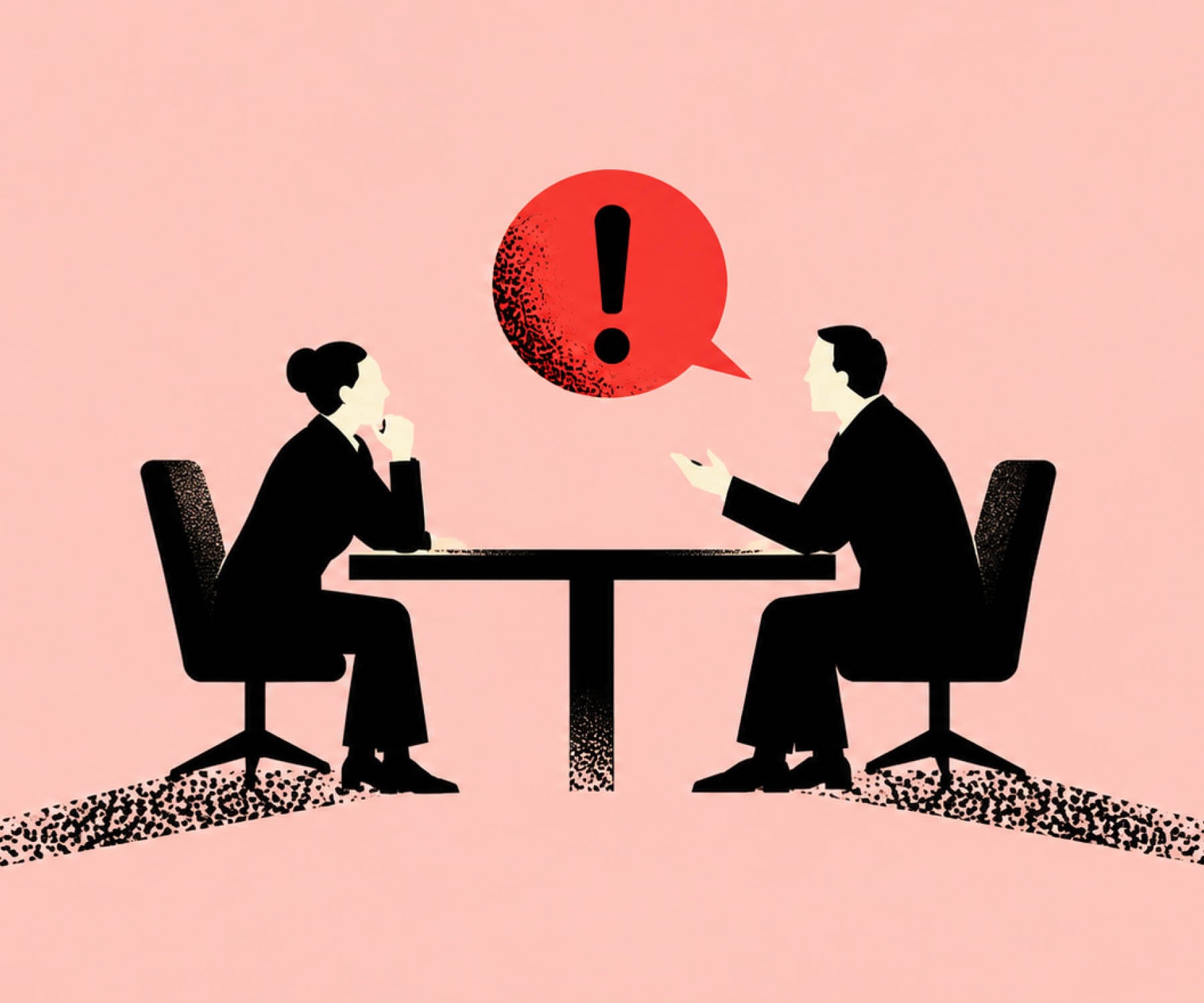
If you want a strong culture, you must get comfortable with uncomfortable conversations.
Your organization needs a path for hard conversations before problems become public scandals. The best time to address a problem is when it starts. The second-best time is now. When the same concern keeps coming up, look for the root cause, not the culprit. Handle hot topics in a room you control, before they become a headline.
Every crisis starts the same way: a memo, a report, a warning in the hallway. The truth was in the room long before it reached the headlines.
Some crises are unavoidable. Many aren’t. You either face the hard conversation early or pay the cost later, with interest. Don’t confuse the message with the messenger. If you want a strong culture, you must get comfortable with uncomfortable conversations.
How does your company handle the conversations that matter? The person labeled ‘difficult’ is usually the brave one, saying what everyone else is thinking. When someone brings you a difficult truth, do you lean in or shut them down? That choice defines your culture. You get what you reward.


